

Potential Effects of Drug and Alcohol Withdrawal
Potential Effects of Drug and Alcohol Withdrawal
When it comes to the potential effects of drug and alcohol withdrawal, there is a great deal of variation based on many factors. The symptoms that patients may experience range, i…
Published October 13, 2017 · Reviewed by Sergey Litvinov, MD · ~1002 words
When it comes to the potential effects of drug and alcohol withdrawal, there is a great deal of variation based on many factors. The symptoms that patients may experience range, including nausea, vomiting, headaches, insomnia, and anxiety. Opioid withdrawal may cause diarrhea, dehydration, vomiting and other effects. Severe cases of alcohol withdrawal have been known to sometimes cause life-threatening conditions. Effects range from physical symptoms to social consequences. In order to provide a better overview of what to expect, we need to look at the effects based on the substance(s) used.
Effects of Drug and Alcohol Withdrawal
See the charts below for the full breakdown of the symptoms and side effects of drug and alcohol withdrawal.
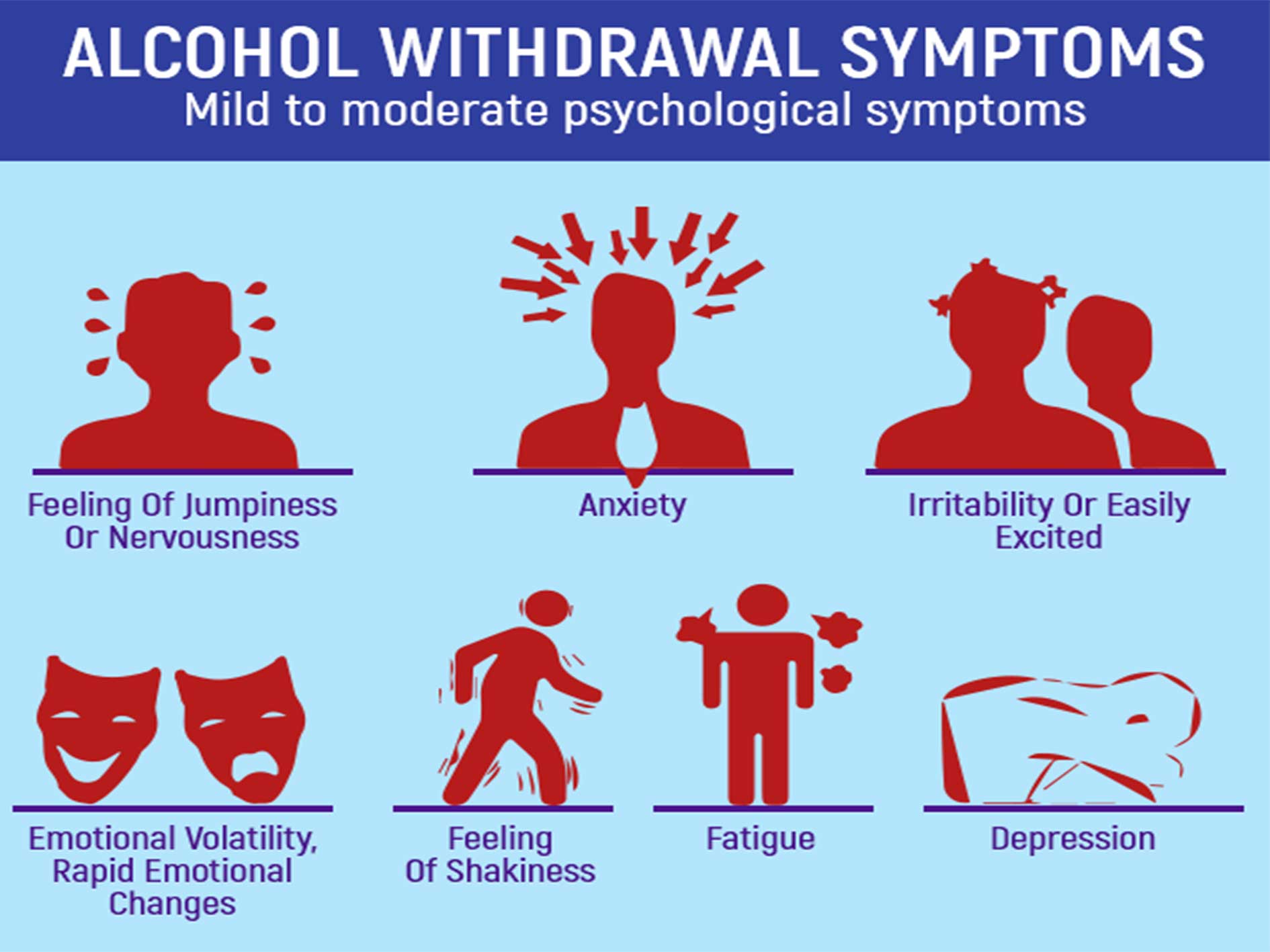
Alcohol Withdrawal Effects
| Effects to Self and Family | Effects to Body | Withdrawal Symptoms | Detox Protocol |
|---|---|---|---|
| Slows down thoughts, reflexes and actions Altered perception Mood-altering Disinhibiting | Cardiovascular, Liver and kidney disease Inflammatory to the GI tract Neuropathy Psychological disorders | Seizures Anxiety or depression Hallucinations, delirium Tremors Heart attacks, strokes Can be life-threatening | Frequent assessment Valium/Ativan, ancillary medications |
Benzodiazepines Withdrawal Effects
Types of Benzodiazepines: Ambien/Ambien CR, Xanax, Librium, Serax, Dalmane, Restoril, Buspar, Sonata, Lunesta, Fioricet, Soma, Zolpidem, Chlordiazepate, Chlordiazepoxide, Klonopin, Tranxene, Valium, Ativan, Doral, Halcion, Rozerem
| Effects to Self and Family | Effects to Body | Withdrawal Symptoms | Detox Protocol |
|---|---|---|---|
| Neglect of responsibilities i.e. work, home, school, children Legal problems No interest in doing normal things |
Confusion, dizziness, poor short term memory Mood swings Poor judgment Altered perception Visual Changes Danger operating machinery due to drowsiness OD an emergency; signs may include nervous system changes, decreased vital signs, cold/clammy skin, bluish lips Crankiness Headaches Bad dreams Loss of libido; sexual dysfunction Skin rashes Weight gain Menstrual problems Depression |
Seizures Feeling nervous/tense Confusion/depression Fear, paranoia Anxiety, panic Changed senses Shaking Pain, stiffness, muscle aches, spasms Flu-like symptoms Sleep difficulties |
Valium/Ativan taper to reduce seizure risk, maximize comfort Drug accumulates with prolonged, heavy use Elderly more sensitive to benzos due to decreased liver, kidney function |

Opiates Withdrawal Effects
Types of Opiates: Opium, Hydromorphone, Oxymorphone, Heroin, Morphine, Oxycodone, Talwin, Codeine, Methadone, Meperidine, Hydrocodone, Vicodin, Percocet, Percodan, Lortabs, Norco
| Effects to Self and Family | Effects to Body | Withdrawal Symptoms | Detox Protocol |
|---|---|---|---|
| Damage to internal organs after long-term use Depression of body processes and central nervous system Cognitive decline |
Strong psychic dependence; high risk of cross-addiction Intense cravings Nausea, vomiting, constipation Drowsiness, tiredness Decreased libido Respiratory depression Seizures Dizziness Weakness Loss of consciousness, coma Confusion, clouding of mental function Cold, clammy skin Reduced vision |
Extremely uncomfortable/frightening Recurring symptoms over a longer period of time than other detox because excretion more gradual Persistent |
Most challenging detox Use of Buprenorphine, ancillary medications Push fluids, exercise, rest, nutrition Managing anxiety/sleep issues Relaxation techniques Biofeedback Support from various staff/peers Learning new skills/developing supports to deal with symptoms, cravings Participation in programming encouraged soon as able Work together with staff to achieve maximum comfort |

Cocaine or Crack Withdrawal Effects
Cocaine in powder form or after it is cooked and becomes crack cocaine.
| Effects to Self and Family | Effects to Body | Withdrawal Symptoms | Detox Protocol |
|---|---|---|---|
| Sudden mood swings Increased risk of suicide and violence towards others |
Damage to the central nervous system Anxiety, paranoia Skin irritability Heart attacks, heart failure Respiratory problems, failure Malnourishment |
Can be fatal High incidence of stroke, seizure, respiratory failure, MI, convulsions, death, aggression, suicide, hallucinations |
Baclofen, ancillary medications |

Marijuana Withdrawal Effects
Marijuana when smoked or eaten.
| Effects to Self and Family | Effects to Body | Withdrawal Symptoms | Detox Protocol |
|---|---|---|---|
| Decreased motivation Poor performance at work, school Poor communication due to difficulty focusing Isolation from others due to mood/behavior changes |
Gateway drug Altered perception Fertility issues Increased heart rate and blood pressure Decreased appetite Kills brain cells and damages the central nervous system Damage to the immune system Difficulty forming/ recollecting memories |
Withdrawal is not dangerous Increased appetite Mood fluctuations |
Assessment and testing for permanent damage No detox medications needed |
Methamphetamine Withdrawal Effects
Methamphetamine when smoked, snorted or injected.
| Effects to Self and Family | Effects to Body | Withdrawal Symptoms | Detox Protocol |
|---|---|---|---|
| Family, financial, legal, job loss, school Irritable, hostile, violent Confrontational personality Increase in risky sexual behaviors |
Increased risk of sexually transmitted/blood-borne viruses i.e., Hepatitis B, C, HIV Permanent damage to the body even if stop i.e., teeth Violent mood swings i.e. depression/insomnia to anxiety/paranoia Brain damage to the dopamine system Gateway drug |
Similar to that of cocaine and other stimulants Anxiety, sleep issues Depression |
Detox medications similar to those used for cocaine and other stimulants |
Barbiturates Withdrawal Effects
Barbiturates include: Brevital, Pentothal, Surital, Amytal, Nembutal, Seconal, Tuinal, Fiorinal, Butisol, Lotusate, Alurate, Luminal, Mebaral
| Effects to Self and Family | Effects to Body | Withdrawal Symptoms | Detox Protocol |
|---|---|---|---|
| Behavior disturbances Dulled effect Cognitive changes |
Dependence primarily psychic, affecting the mind/CNS Cross addiction |
Unpredictable, frightening, may be life-threatening | Detox with Valium/Ativan and ancillary medications |
In addition to differences based on the substance used, the length of use, amount used, and any individual life or health circumstances can affect which of these symptoms present. It is important to remember that the effects of drug and alcohol withdrawal is different for each and every person, so be prepared for the worst and hope for the best.
If you or someone you love may be living with an addiction, don’t hesitate to call for help today. The best way to support someone who is going through withdrawal is to help them get admitted to a drug and alcohol medical detox facility. Get the recovery process started to build a new successful life!
Pines Recovery Life Detox utilizes a 40-bed capacity, spread out over our 18,000 square foot top-of-the-line facility. We’re located in Pembroke Pines, Florida, just 30 minutes outside of Miami. A wide range of high-end amenities are available to our visitors during every step of the detox process. We want you to be comfortable and cared for while you’re here.
For more information, please call us at (800) 263-3869.


