Drug Dependence vs Addiction
Learn more about the difference between drug dependence and drug addiction. Call (855) 981-8935 for more information on addiction treatment in Florida!

Learn more about the difference between drug dependence and drug addiction. Call (855) 981-8935 for more information on addiction treatment in Florida!

Learn more about how nicotine addiction can lead to drug addiction. Call (855) 981-8935 for more information on the causes of drug addiction in Florida@

Learn more about what life is like after opioid addiction. Call (855) 981-8935 for more information on opioid addiction recovery in Florida

This is how the pandemic has changed the way we look at recovery. Call (855) 981-8935 for more information on our recovery and therapy processes in Florida

These are the ways that you can reshape the perception of addiction. Call (855) 981-8935 for more about the stigmas that surround addiction in Florida
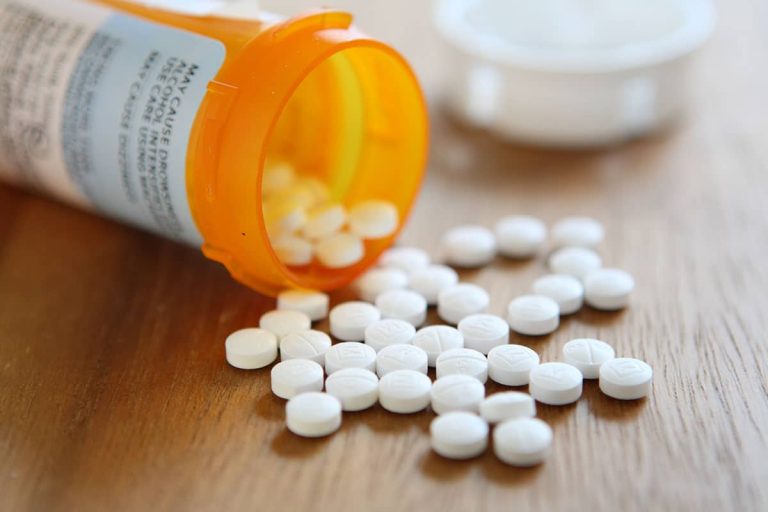
Are you struggling with addiction to one of the commonly misused prescription drugs available? Call (855) 981-8935 for a luxury drug detox center that can help.

Prepare for drug detox in South Florida by learning what to expect from a detox center. Call (855) 981-8935 for inpatient drug detox in Florida.

There are many terms thrown around in relation to drug use, and it can be difficult to discern what they mean. Drug addiction is an already misunderstood disease, and the confusion regarding terminology only adds to the problem. While drug dependence and drug addiction are often related, they do not mean the same thing. Keep reading to learn more about the difference between drug dependence and drug addiction.
What is drug dependence?
Drug dependence involves a physical condition. Repeated exposure to a drug or frequent usage causes the body to adapt to the drug. The easiest way to identify drug dependence is through withdrawal symptoms when the drug is no longer used.

Addiction not only rips apart a life, it does the same thing to the relationships and loved ones held most dear by the person with addiction.
It is a very difficult thing to watch a loved one slip into addiction. Suddenly, someone that you once knew so well has become a completely different person, a person that you can’t trust, a person who seems to resist every helping hand and seek out every harmful situation they can possibly find, a person who pushes away love, a person who pushes away you. You know that this is the addiction working, taking control, but you can’t help but be affected by it. You can’t help feeling hurt, angry, helpless. You can’t help feeling like you want to give up.
And, unfortunately, many people do give up. They try and try until they’ve had enough – enough betrayal, enough rejection, enough hurt. Their person with addiction loved one has hurt them so many times, maybe even betrayed their trust as well, that the need to protect themselves from more hurt and more harm has overtaken the love that they feel for this person who has been changed so drastically by addiction. And they give up. They cut ties, they banish, they forget, they toss aside.

There’s a stigma with addiction – that of the person with addiction passing out in an alley somewhere, unable to move, barely able to function at all. While that image of addiction does come from a real place, there’s a far more prevalent face of addiction out in the world – that of the highly functioning professional. Drug & alcohol addiction knows no bounds. It is not a poor person’s disease, it does not care about race, religion, social status, or career. Addiction affects every tier of society. That fact can be very surprising to people on the fringes of the addiction disease. Below are the career fields that rank highest for addiction among the workforce. You’ll see that addiction really does run the gamut, and permeates some unexpected places.
